

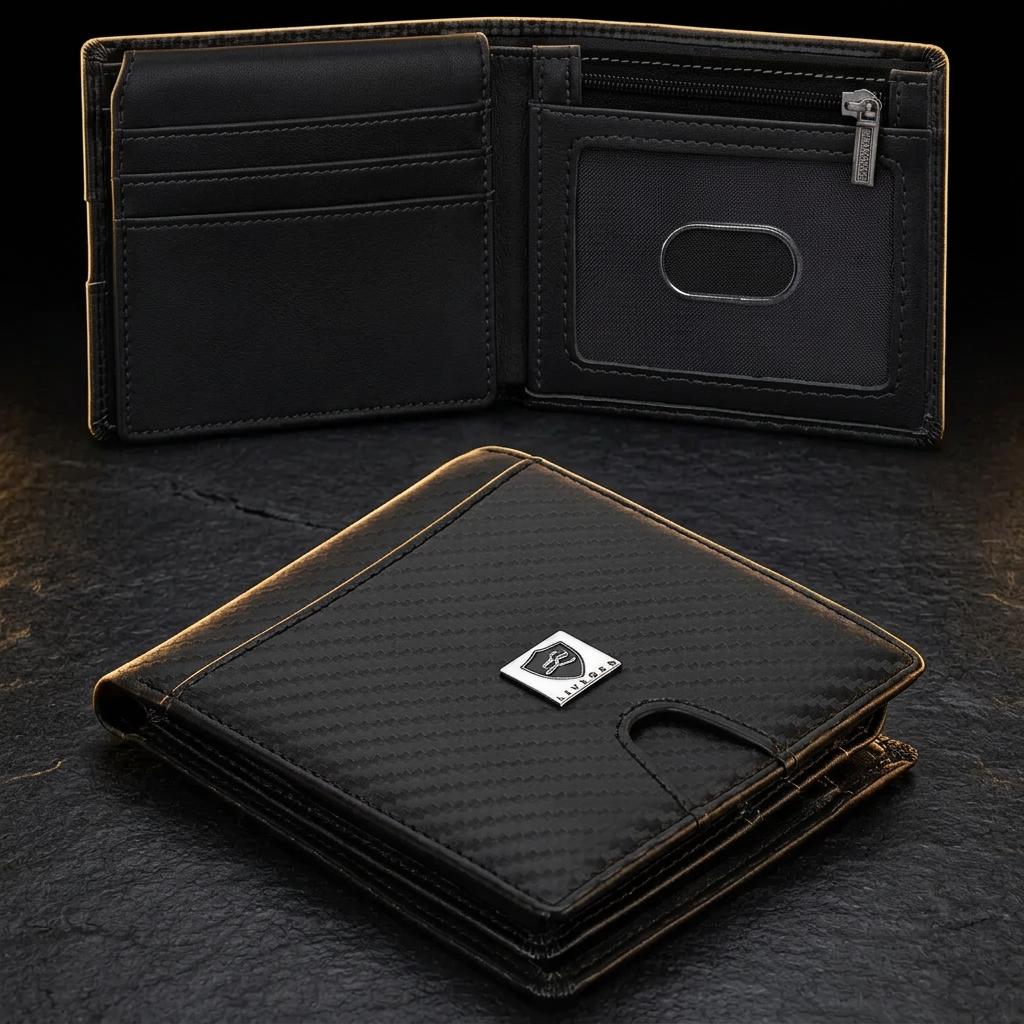
Contactless payment has made coins less common, but most of us still end up with a pocketful of change by the end of the week. So do you need a coin wallet? For many people the answer is a wallet with a coin pocket rather than a separate coin purse: one slim wallet that keeps cards, notes and change in their own sections. This guide explains who needs a coin wallet, where to put coins in a wallet, and what to know before buying a wallet with a coin section in the UK.
What is a coin wallet?
A coin wallet is any wallet with a dedicated place for loose change. That might be a separate coin purse, a zip pocket on the back of a bifold, a snap-closed coin tray inside a trifold, or a small pocket on a compact card holder. The aim is the same: keep coins contained so they do not scatter through your pockets, scratch your cards or fall out when you open the wallet.
Do I need a coin wallet?
Whether a coin wallet is worth it depends on how you pay. Ask yourself three questions:
- Do you still use coins each week? Parking meters, lockers, laundrettes, markets, tips and car washes still often need change. If you use coins regularly, a coin pocket is very convenient.
- Where do your coins end up now? If change collects loose in trouser pockets or in the car, a coin section keeps it tidy and easy to find.
- How slim do you want your wallet? A coin pocket adds a little thickness. If you rarely touch cash, a slim card holder without a coin section may suit you better.
If you answered yes to the first two, a wallet with a coin pocket is a sensible everyday choice.
Can men have coin purses?
Of course. A coin purse is simply a practical accessory, and men have carried them for centuries. Today most men prefer a coin pocket built into a wallet rather than a separate purse, because it means carrying one item instead of two. Designs range from a zip pocket on a classic leather bifold to a compact carbon fibre style card holder with a small coin compartment.
Where to put coins in a wallet
The best place for coins is a dedicated coin section with a closure. Putting coins loose in a note compartment is fine for a day or two, but they add weight in one spot, stretch the leather and can scratch cards. Here is how the common layouts handle change:
- Bifold with a zip coin pocket: coins sit in a zipped pocket, usually on the outside or behind the notes. Our tan leather RFID bifold wallet with coin pocket is a genuine leather example.
- Trifold with a coin compartment: the extra panel gives room for a coin pocket without making the wallet wide. See the carbon fibre style RFID trifold wallet with coin pocket.
- Card holder with a coin pocket: the most compact option, for people who carry a few cards and a little change. The RFID card holder with coin pocket fits a front pocket.
For a longer comparison of layouts, read our men's wallet with coin pocket guide.
Is it OK to put coins in a wallet?
Putting coins in a wallet is generally fine, especially if the wallet has a designated coin pocket. Coins add weight and bulk, which can cause wear over time, and they may scratch cards if they move around. A wallet with a sturdy coin compartment helps contain them. Empty excess coins regularly into a jar at home and avoid overloading the wallet, and it will stay in good condition for longer.
What should I know before buying a wallet in the UK?
A few practical checks make the difference between a wallet you love and one you replace in a year:
- Note size: UK notes get larger as the value rises, so a £50 note is wider than a £5. Check the note compartment takes notes flat without folding twice.
- Card count: count the cards you actually use and choose a wallet with one or two spare slots, not ten.
- Coins: if you use change, choose a wallet with a closed coin section rather than an open pocket.
- RFID blocking: many UK cards are contactless, so a wallet with RFID blocking is a useful extra for peace of mind.
- Material: genuine leather softens and develops character; carbon fibre style finishes are slim, smart and easy to wipe clean.
- Pocket: decide whether it lives in a back pocket, front pocket or jacket, and choose the size to suit.
Are coin wallets secure?
A coin wallet keeps change secure when it is well designed. Look for sturdy construction and a secure closure, such as a zip or snap, to stop coins spilling out. Avoid overfilling the coin compartment, as excessive weight can strain the seams. Keeping the wallet in an inside or front pocket in busy places also reduces the chance of loss.
Questions and answers
Do I need a coin wallet?
If you use coins most weeks for parking, lockers or small purchases, yes. If you pay almost everything by card or phone, a slim card holder is enough.
Can men have coin purses?
Yes. Many men prefer a wallet with a built-in coin pocket so they carry one item instead of two.
Where should I put coins in my wallet?
In a dedicated coin pocket with a zip or snap. Loose coins in the note section add bulk and can scratch cards.
What is a wallet with a coin section called?
It is usually called a wallet with a coin pocket, coin compartment or coin purse. Bifold, trifold and card holder styles all come with coin sections.
Does a coin pocket make a wallet bulky?
Only slightly, as long as you empty it regularly. A trifold or compact card holder with a coin pocket stays slim enough for most pockets.
Shop wallets with a coin pocket
Compare bifold, trifold and card holder layouts in our men's wallets with coin pocket collection, or browse all men's wallets. If you are weighing up layouts, see what a bifold wallet is and whether it suits you.
Orders are normally dispatched within 24 hours, with free UK delivery, 60-day free returns and a lifetime manufacturer's warranty.


Leave a comment
All comments are moderated before being published.
This site is protected by hCaptcha and the hCaptcha Privacy Policy and Terms of Service apply.